Taishin Bank | 2022
Establishing a scalable design system across a fintech platform
Led design system creation and cross-functional collaboration to accelerate product development
Design System
Leadership
My Role
Lead UX Designer & Project Manager
Team
UI Designer, Developers
Tools
Sketch, Zeplin
Timeframe
2021 - 2022 (Shipped)
overview
We fixed fragmented design with a scalable design system
Taishin Bank's fintech app suffered from fragmented design patterns that confused users and slowed development. As Lead UX Designer, I built a scalable design system from the ground up, defining interaction patterns and component libraries while managing a team of designers and coordinating with engineering and stakeholders.
The systematic approach reduced user confusion, increased adoption by 15%, and earned a 90/100 client satisfaction score.
15%
Lift in adoption
90/100
Client satisfaction score
Challenges
Inconsistent patterns created confusion
Inconsistent UI and interactions across the app increased cognitive load. Identical features looked and behaved differently depending on the screen, forcing users to relearn patterns repeatedly.
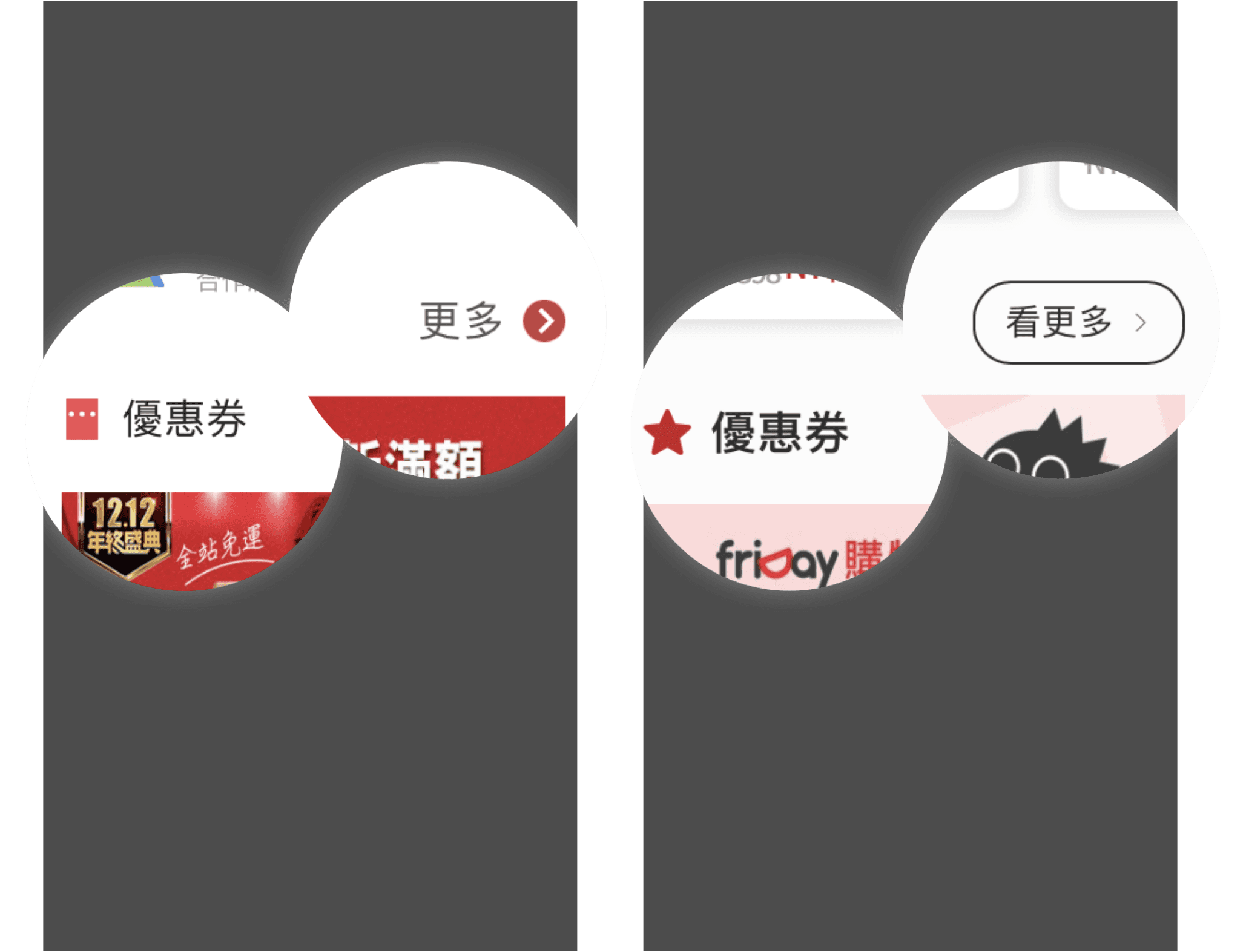
Same features, different visual elements
How might we provide a streamlined design language to reduce users' cognitive load?
Design Goals
Consistency for users, efficiency for teams
Users, our client company, and our design and engineering teams were all paying for this, so I set a goal for each:
For users
Reduce learning curve through predictable patterns.
For business
Ship new features without rebuilding what already exists.
For teams
Give design and engineering one source of truth.
Solution
Built a foundational design system
I collaborated with UI designers to document component patterns, interaction rules, and usage guidelines. I defined when and how to use notification types, input field variations, and other core elements to ensure alignment across all touchpoints.
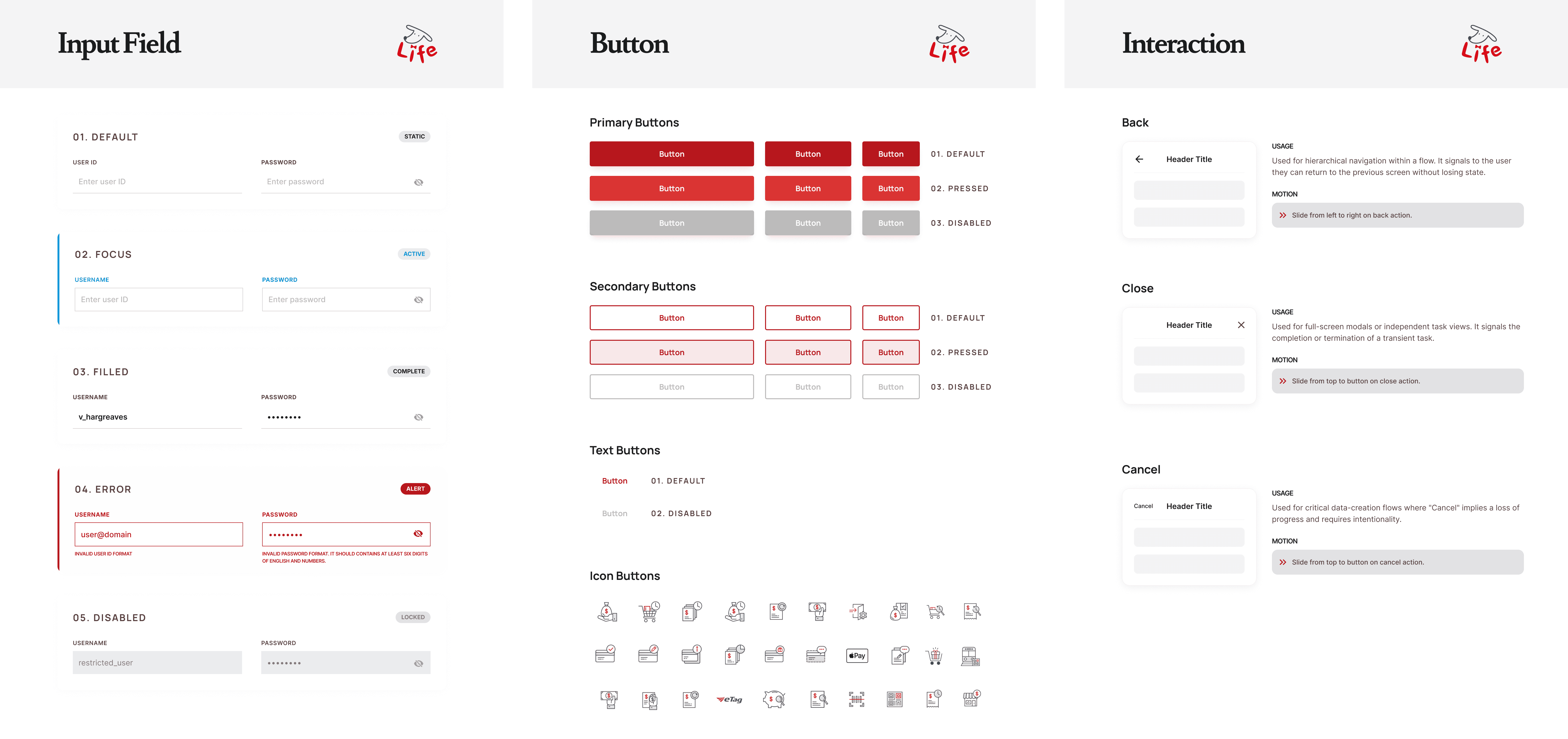
Design System Overview
Outcome & Impact
15% adoption lift, stronger team velocity
The design system improved visual consistency, reduced user complaints about navigation, and accelerated cross-team collaboration. The post-launched of the revamped app resulted in 15% lift in adoption rate. It also enabled better design quality management across team members, earning a 90/100 client satisfaction rating.
Reflection
Leading through systems thinking
This project taught me to approach design systematically. I learned to look beyond individual flows and features to create universal frameworks and guidelines. Coordinating across stakeholders, engineering, and a design team required transparent communication, a skill that now shapes how I lead complex projects.